Both Sides of the Operating Table: What My Own Cancer Surgery Taught Me
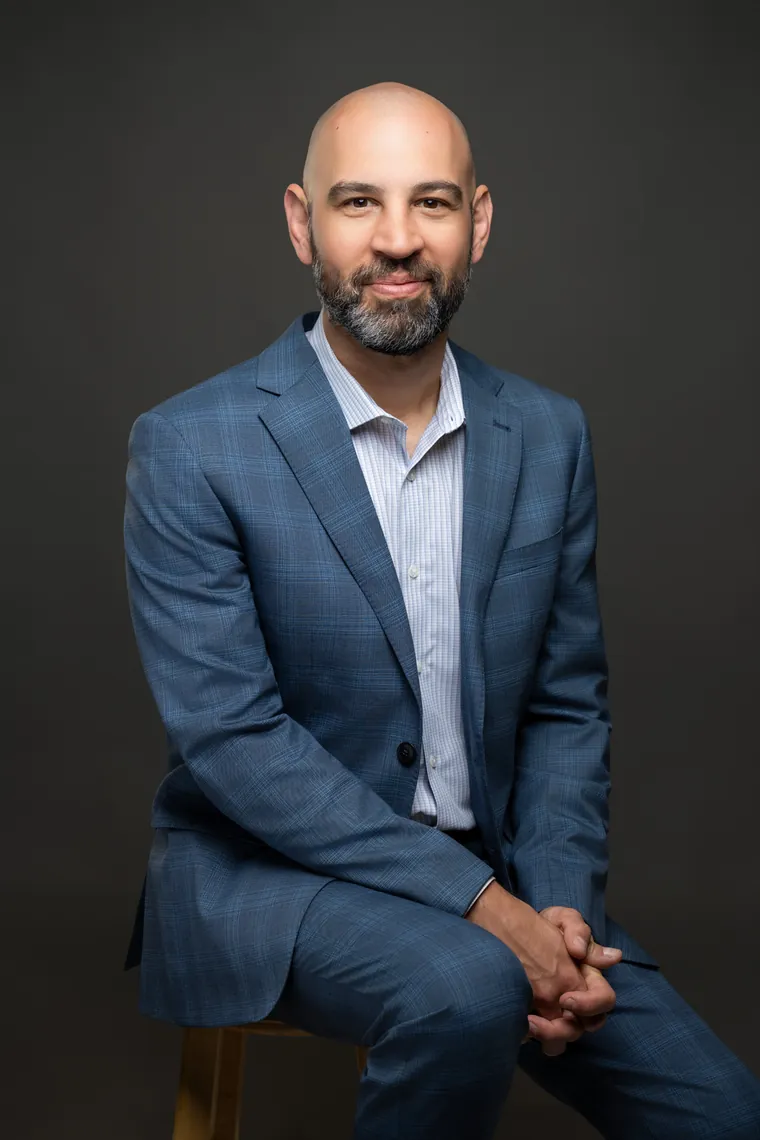
“I think you have cancer.” Those were the first words I heard as I woke from a routine scope — a physician who suddenly became the patient. Here is what preparing for my own surgery taught me.
I was still coming out of the anesthesia when the words reached me. I was forty-two, a physician who had spent his career at the operating table caring for surgical patients. In that moment, I became one of them. It turned out I had two cancers at once, in my esophagus and my colon. Everything I understood as a doctor, I was about to live as a patient.
At first I did not cope well. There was denial, and beneath it anger — the diagnosis felt unfair after the care I had taken with my health. I sat with a lawyer and wrote my will, something I never expected to do at that age. In front of the people I loved I kept a calm face; only alone did I let myself feel how frightened I was. I would not describe myself, in those early weeks, as resilient.
The question that changed everything
Somewhere between the scans and the consultations, a shift happened. I stopped asking "Why me?" and started asking "What can I do about this?" That single change of question gave me back something I had lost: a sense of agency.
Researching what I could actually influence, I came across the concept of prehabilitation — preparing the body and mind for surgery. As I saw it, it was my surgeon's job to remove the cancer. It was my job to arrive for surgery in the best possible shape, in body and mind. My surgeon and anesthesiologist would do their part; I would do mine. For the first time, I saw myself not as a passive participant waiting to be operated on, but as an active member of my own surgical team.
Doing the work — imperfectly
So I got to work. I tracked my protein and kept my nutrition as strong as chemotherapy would allow. I kept moving, even when the best I could manage on a hard day was a slow walk around the house. I practised breathing exercises and visualization in the evenings, when my worry tended to peak. And I let the people closest to me in, sharing my fears instead of carrying them alone — which turned out to hold me up as much as anything I did on my own.
I did not do any of it perfectly. Chemotherapy knocked me down again and again, and there were days I fell well short of every goal. There was one pillar I underestimated entirely — training my breathing muscles — and I felt the cost of skipping it afterward, more short of breath than I expected on my first walk. I learned my lesson, and it is one I now pass on: even if you think your fitness is fine, prepare your lungs too.
What the preparation gave me
In September 2025 I underwent an Ivor Lewis esophagectomy, one of the more demanding operations in surgery. I was on my feet the next day. By the third day I was signing myself out to take walks in the park across from the hospital. I went home on the fifth day — less than half the typical stay. What stays with me most, though, is the morning of the operation: I remember sitting in my gown with a calm I had not expected, feeling ready, even eager, to begin.
I cannot prove that any single thing I did produced that outcome. Recovery is never that simple. But I am convinced my preparation shaped it as much as anything my surgical team did — and, just as importantly, it gave me control when everything else felt out of my hands.
That is why I wrote Built to Recover, and why I now share this story with audiences of patients and clinicians. If you are facing surgery, you can do this too — not perfectly, but in whatever measure you can manage. Do what you can, when you can. It counts, and it will help. You are not just waiting for your operation. You are preparing for it.
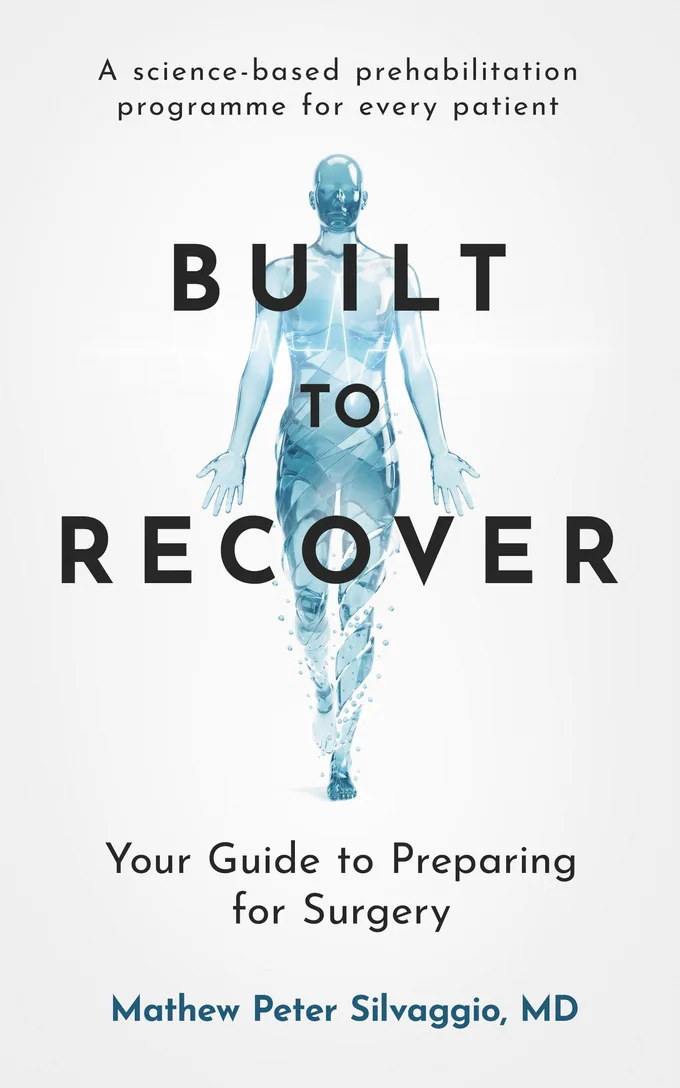
Built to Recover
The complete, step-by-step prehabilitation programme — with exact amounts, timing, and important safety guidance. eBook coming soon.
This article is for general educational purposes only and is not medical advice or a substitute for the judgement of your healthcare team. Always talk with your own surgeon or surgical team before making changes before surgery.